

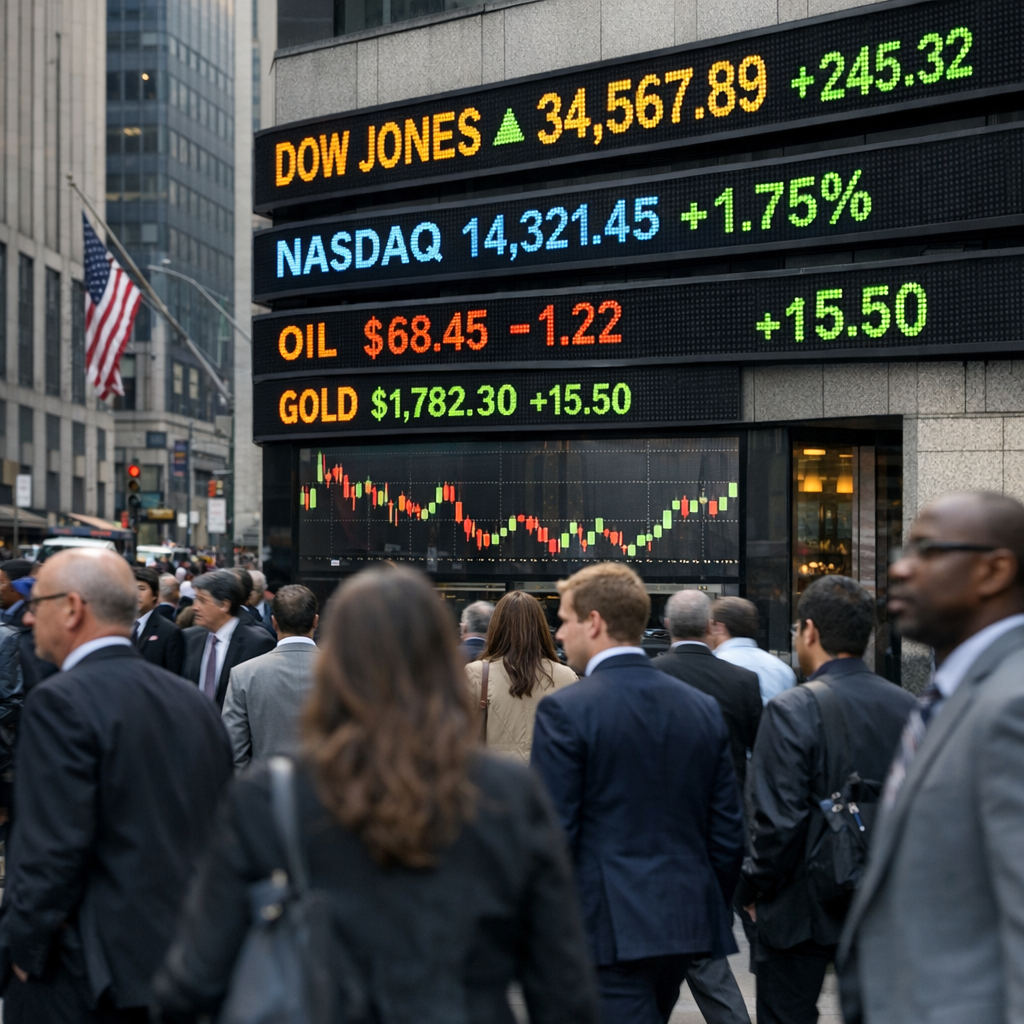
The U.S. economy has experienced a series of fluctuations in recent quarters, reflecting a complex interplay of factors influencing growth, employment, and inflation.
GDP Growth and Economic Expansion
After a contraction of 0.5% in the first quarter of 2025, the economy rebounded with a 3.8% annualized growth rate in the second quarter, followed by a 4.3% increase in the third quarter. This marked the fastest growth pace in nearly two years, driven by robust consumer spending and business investments.
Employment Trends
The labor market has shown resilience, with steady job additions across various sectors. However, concerns have emerged regarding the rise in long-term unemployment, indicating potential structural challenges within the workforce.
Inflation and Consumer Prices
Inflation rates have remained below their peak but continue to pose challenges. The Federal Reserve monitors these trends closely to inform decisions on interest rates and monetary policy.
Federal Reserve’s Role
The Federal Reserve considers multiple economic indicators, including GDP growth, employment data, and inflation rates, to guide its monetary policy decisions. Adjustments to interest rates are made with the aim of sustaining economic growth while keeping inflation in check.
Understanding these economic dynamics is crucial for individuals and businesses alike, as they navigate the evolving financial landscape.